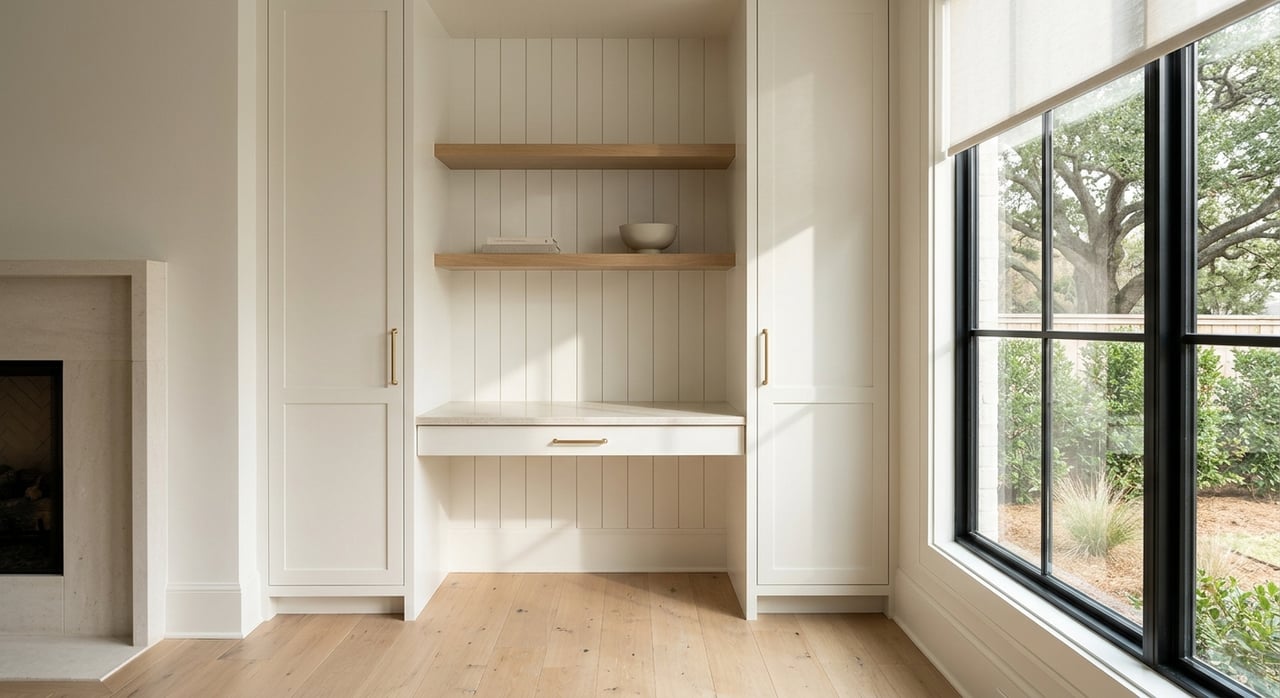
Custom Home Build in Lucas, TX: A Step-by-Step Plan
March 26, 2026
March 26, 2026
Dreaming of a custom home in Lucas but unsure where to start? Between lot due diligence, permits, utilities, and construction timelines, the process can feel overwhelming. With the right plan, you can move from idea to move‑in with confidence. This step‑by‑step guide walks you through Lucas‑specific requirements, the decisions that drive cost and time, and who to hire so your project stays on track. Let’s dive in.
Start with a clear target budget that includes land, site work, construction, design fees, contingencies, and interim housing or loan interest. Decide what type of lot you want, such as a platted subdivision lot or a larger acreage parcel. Each may have different HOA rules, septic versus sewer options, and utility access. Consider commute patterns and resale potential for your preferred area within the Dallas–Plano–Irving region.
Before you make an offer, request a current survey, deed restrictions or HOA covenants, utility availability, seller disclosures, and any prior permits. Confirm zoning, allowed uses, setbacks, easements, and access constraints with the City’s planning staff. Always check flood risk early using the FEMA Flood Map Service Center so you understand how any floodplain might affect foundation elevation, insurance, and grading. If schools matter to you, confirm district boundaries by property address through the appropriate district.
Helpful links:
If you go under contract, order a boundary and topographic survey, a geotechnical soils report, and a septic feasibility check if public sewer is not available. Soils in Collin County often include expansive clays, which can require engineered foundation designs. Lucas requires engineered foundation plans and a foundation engineer’s pre‑pour inspection, so the geotech report is essential before you finalize design and budget. Confirm utility service and tap fees for water, sewer if available, and electric.
Useful references:
Interview at least two to three custom builders or a design‑build firm with Lucas experience. Ask for recent references, sample schedules, allowances, and a clear change‑order process. If you bring in an architect, align the floor plan and elevations to site realities such as setbacks, drainage, potential septic areas, and masonry rules. Lucas enforces energy code documentation and may require brick calculations where its masonry ordinance applies.
Reference: Lucas Building Permits & Inspections
Lucas has adopted the 2024 International family of codes and the 2023 National Electrical Code. Plan submittals typically include full construction drawings, engineered and stamped foundation plans, an accurate plot plan that shows setbacks and drainage, energy code compliance documentation, and, if applicable, a Collin County‑stamped septic application. All new single‑family homes in Lucas must include fire suppression plans submitted for review before framing. Use the City’s New Construction packet to ensure forms and applications are complete.
Resources:
Once permits are issued, construction typically runs about 6 to 12 months depending on size and complexity. Industry summaries align with this range, but builder schedules and site conditions will drive the specifics. Lucas lists inspection milestones, including plumbing rough and gas, foundation pre‑pour, framing and rough‑ins, temporary utility release, and final inspections. For your Certificate of Occupancy, plan to provide items such as septic approval, the foundation engineer letter, grading approval, energy compliance, and a termite report.
References:
After final inspections and approvals, the City issues a Certificate of Occupancy and you can move in. Your builder’s warranty begins at closeout. Schedule an “11th‑month” walkthrough to document punch‑list items before the standard one‑year warranty window closes. Keep copies of plans, permits, inspection reports, and manuals for future maintenance and any resale disclosures.
Some site factors move the needle more than finish selections. Keep these at the top of your checklist.
Key links: Lucas Building Permits & Inspections | NTMWD Water System | FEMA Flood Map Service Center
At a minimum, plan to hire:
Your buyer’s agent can help you evaluate resale comps, review lot documents, coordinate surveys and soils reports, and negotiate builder contracts, allowances, timelines, and warranty terms. In Texas, buyer’s agents owe fiduciary duties and help flag when legal counsel is needed. Verify builder registration and insurance before you sign.
Reference: Lucas Building Permits & Inspections
Use this as a planning guide. Your builder’s schedule and permit completeness will shape the real dates.
| Phase | Typical duration |
|---|---|
| Lot research and purchase | 4–12 weeks |
| Design and builder selection | 1–4 months |
| Permitting and approvals | 1–3 months |
| Construction start to finish | 6–12+ months |
Source for national build range: Average time to build a house
Treat the City’s Development Services and permit page as your central reference for documents, submissions, and inspections. For water and wastewater, confirm service and timing with the City and NTMWD. For septic, coordinate early with Collin County through the City’s checklist.
Ready to explore lots in Lucas and build your plan with confidence? Our team regularly supports move‑up and relocation buyers across DFW with vendor coordination and clear timelines. If you want a local, high‑touch guide for lot selection, builder vetting, and negotiation, connect with Sarah Naylor to get started.
Stay up to date on the latest real estate trends.

Sarah has strong negotiation skills, professional expertise, work ethic, and intimate knowledge of the Rockwall County area, and her reputation is backed by multiple “Best Real Estate Agent” awards.
Get in Touch With Our Team to Learn More

3125 RIDGE RD ROCKWALL TX 75032